The best time to visit Menorca depends less on simple weather preferences and more on how the island itself changes throughout the year.
Menorca operates on a strong seasonal rhythm that affects not only temperature, but also visitor numbers, pricing, accessibility and overall atmosphere. Unlike more heavily developed Mediterranean destinations, the island does not function at the same level year-round. Its infrastructure, economy and daily life expand and contract with the seasons.
Understanding this structure is essential to choosing the right time to visit.
Menorca’s climate and seasonal structure
Menorca has a Mediterranean climate, but it differs noticeably from Mallorca and Ibiza.
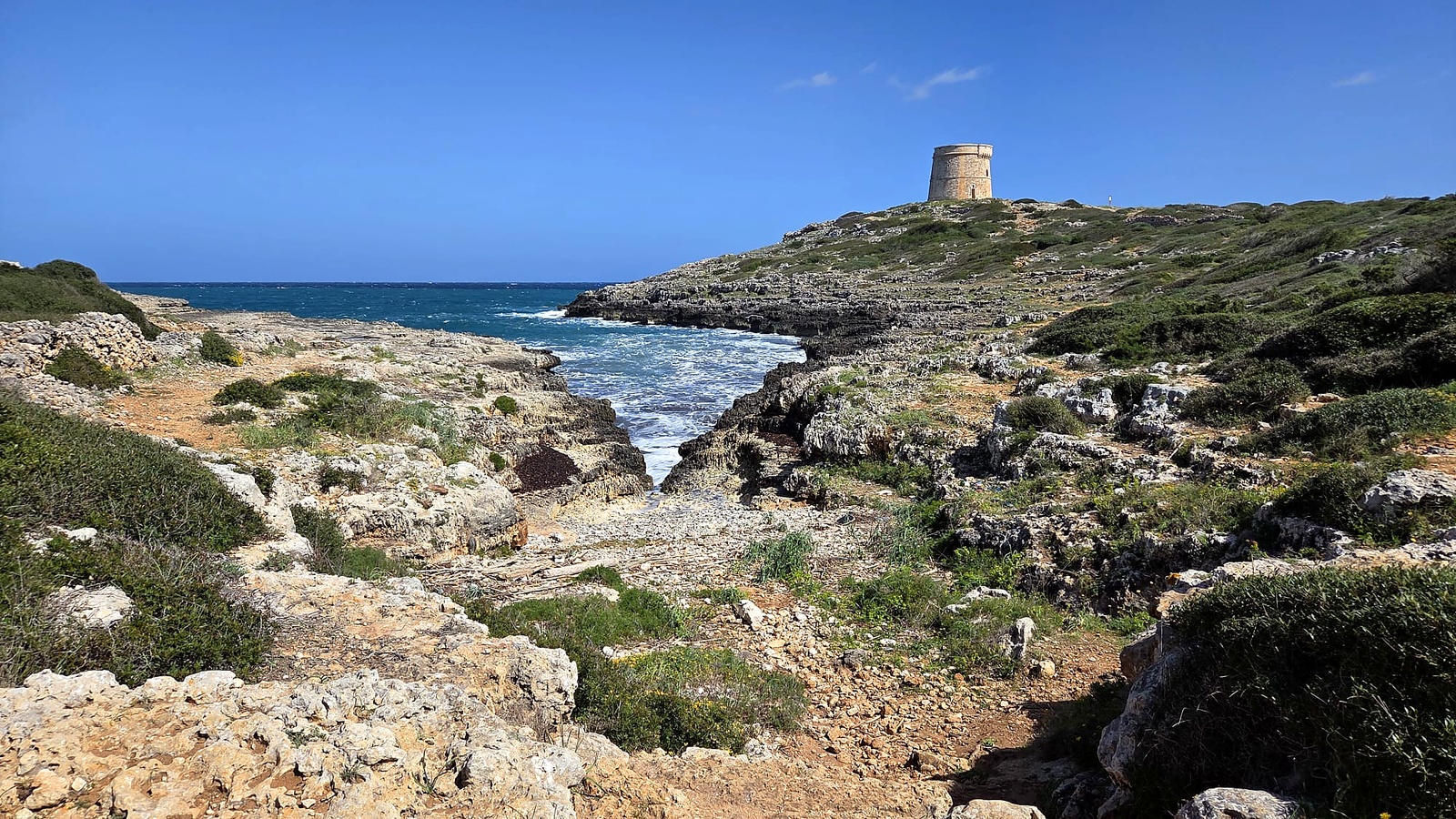
As the northernmost Balearic island, it is slightly cooler, more exposed to wind and more variable in winter. The Tramontana wind, particularly between October and April, plays a significant role in shaping conditions outside summer.
Long-term climate averages illustrate this pattern clearly. Annual rainfall sits between approximately 490 and 600 millimetres, while summer temperatures typically reach 25 to 30°C. In winter, daytime highs fall to around 14 to 16°C. Sea temperatures range from roughly 14°C in February to around 26°C in August, with more than 300 days of sunshine recorded across the year.
This combination creates a destination that is highly seasonal, with clear distinctions between each part of the year.
Summer concentrates activity and demand
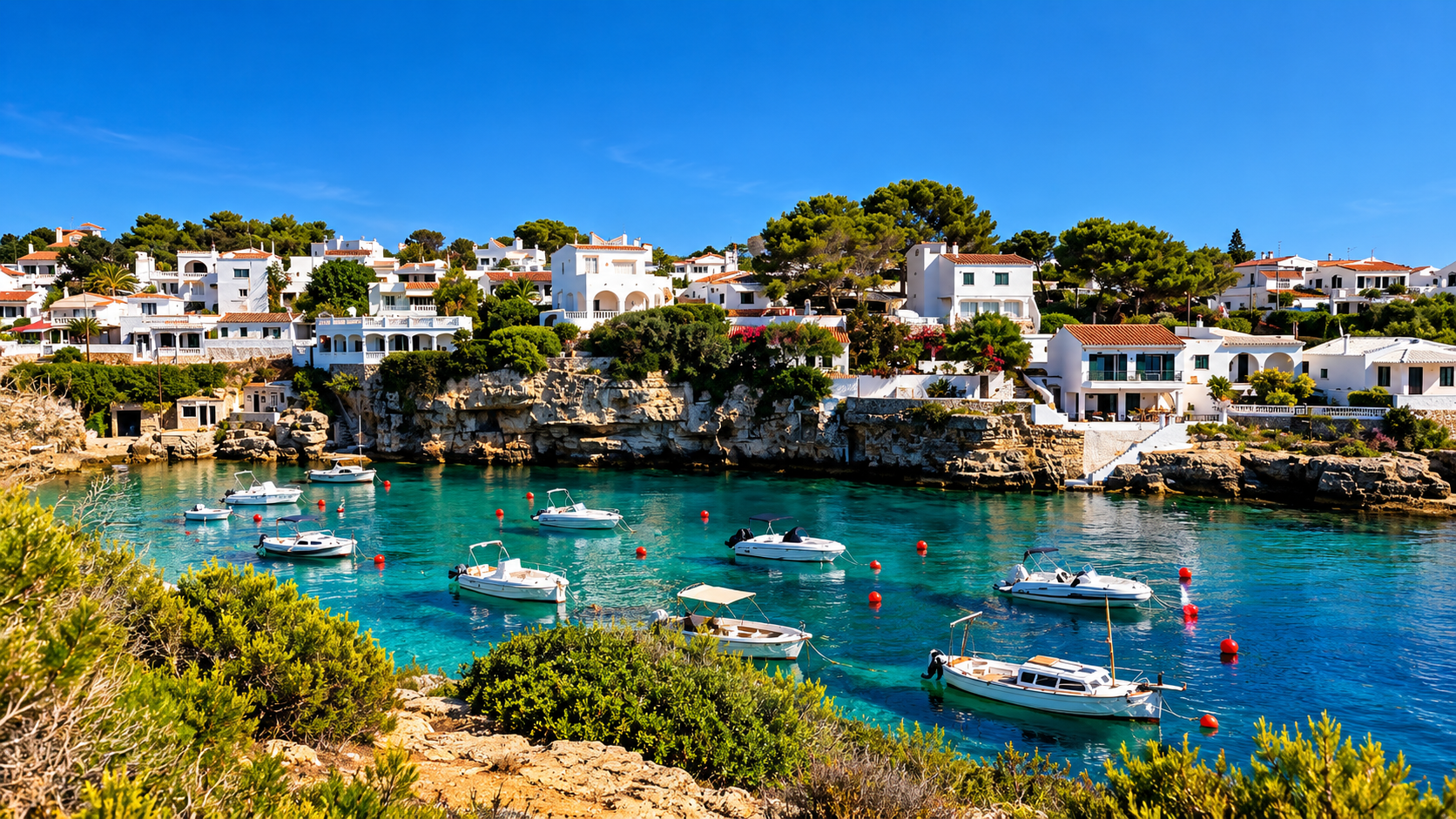
July and August represent the peak of Menorca’s annual cycle.
During this period, temperatures regularly reach between 27 and 30°C, with sea temperatures at their warmest. Rainfall is minimal, and conditions for swimming, boating and coastal activity are at their most favourable.
At the same time, this is when the island operates at maximum capacity. Beaches reach saturation early in the day, accommodation prices are at their highest and transport systems experience the greatest pressure.
This is closely linked to wider infrastructure pressure explored in getting around Menorca in 2026 and how transport is changing.
Summer suits travellers prioritising heat and water conditions, but it comes with reduced space and higher costs.
Spring offers the most balanced conditions
Spring represents a transition period where the island begins to open up without reaching full capacity.
Temperatures gradually rise from the high teens into the mid-twenties, while rainfall decreases following winter. Sea temperatures remain cool early in the season but become increasingly swimmable by June.
What defines spring is not just weather, but balance. Visitor numbers remain relatively low compared to summer, while infrastructure begins to return to full operation. Landscapes are at their greenest following winter rainfall, making this one of the strongest periods for walking and outdoor activity.
This is why late spring, particularly May and June, is often considered the most practical time to visit.
Autumn combines warm conditions with reduced pressure
MayAutumn mirrors spring in structure but differs in atmosphere.
September retains much of summer’s warmth, with temperatures in the mid-twenties and sea conditions still ideal for swimming. As the season progresses into October, temperatures begin to fall slightly, and rainfall becomes more frequent.
The key difference is in visitor numbers. Demand drops significantly after August, creating a quieter and more spacious environment while retaining many of the benefits of summer.
For many repeat visitors, this combination makes early autumn one of the most appealing times to visit Menorca.
Winter reveals the island’s local rhythm
Between November and March, Menorca shifts into its lowest activity phase.
Temperatures fall to between 11 and 16°C during the day, with cooler nights and higher rainfall levels, particularly in late autumn and early winter. The Tramontana wind becomes more noticeable, especially along the north coast.
During this period, much of the tourism infrastructure closes or reduces its operations. Coastal restaurants, seasonal hotels and certain services are not available.
What replaces this is a quieter, more local version of the island. Daily life slows, landscapes become less crowded and the focus shifts away from tourism.
Winter is not suitable for traditional beach holidays, but it offers a different experience that appeals to visitors interested in nature, walking and a more authentic view of Menorca.
Choosing the right time depends on purpose
Rather than a single “best” time, Menorca offers different advantages depending on what you are looking for.
The warmest sea conditions and full infrastructure are found in summer, but this comes with the highest levels of demand and reduced space. Spring and early autumn provide the most balanced combination of weather, accessibility and lower visitor numbers. Winter offers the quietest and most local experience, but with limited services.
This seasonal variation is also closely connected to broader environmental and tourism patterns explored in the Balearic Islands tourism strategy for 2030.
The most consistent answer
For most travellers, the most consistently favourable periods are May, June and September.
These months combine stable weather, manageable visitor numbers, open infrastructure and comfortable conditions for both coastal and inland exploration. They also align with the island’s broader move towards more balanced, lower-impact tourism outside peak summer.
Common questions about the best time to visit Menorca
What is the best month to visit Menorca?
For most visitors, May, June and September offer the best balance of weather, space and accessibility.
Is Menorca busy in summer?
Yes. July and August are the busiest months, with higher prices, fuller beaches and increased pressure on infrastructure.
Is Menorca worth visiting in winter?
Yes, but for a different experience. Winter offers a quieter, more local atmosphere with fewer services and cooler weather.