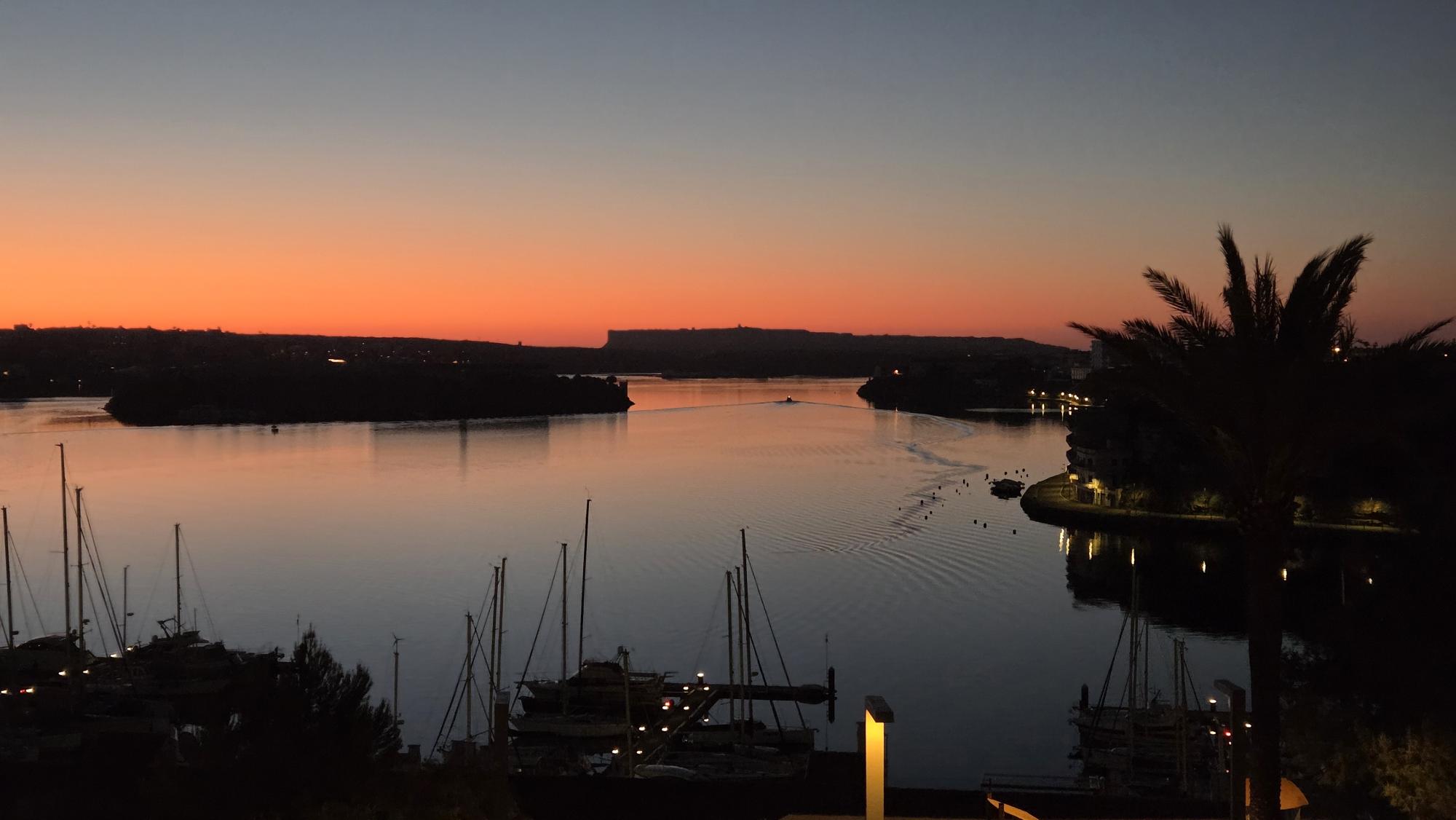
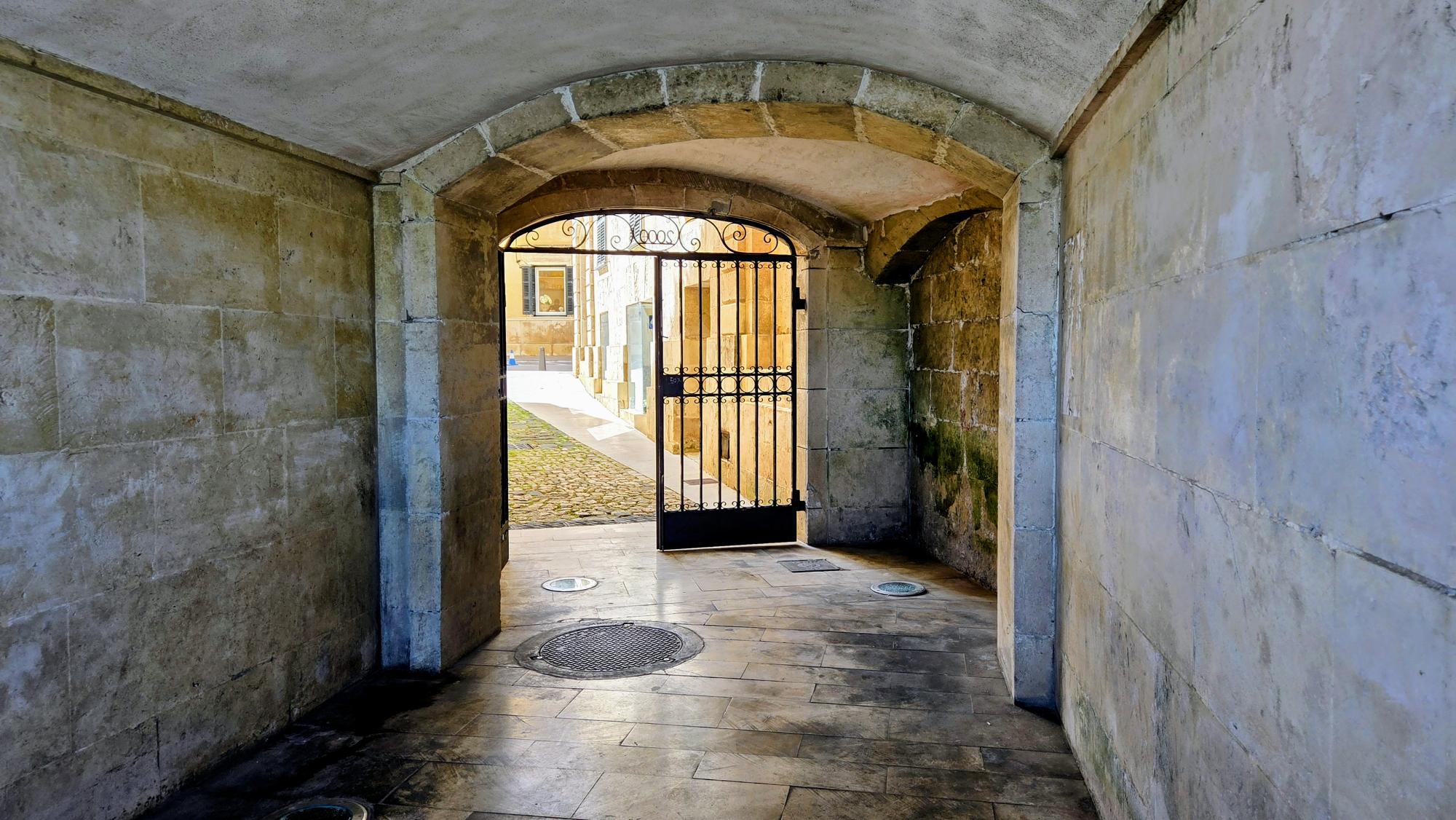
Sustainable holiday rentals in Menorca are becoming the defining model for property success on the island. Menorca is no longer a destination where a holiday-rental business can succeed by focusing only on occupancy, nightly rate and peak summer demand.
How landlords can remain profitable while supporting community, housing stability and island resilience
The island’s visitor economy now operates within a tightening system of constraints, particularly in the context of Menorca’s housing market. Licensing is limited, housing is scarce, ecological pressure is real, and resident tolerance for poorly managed tourist accommodation has narrowed significantly. At the same time, regulation is increasingly linking tourism activity to housing availability, labour stability and territorial planning.
This is not a temporary phase, but a structural shift that is already redefining what success looks like for holiday rentals on Menorca. The future is no longer defined by volume, but by control, alignment with island limits and visible contribution to the community. Properties that remain profitable over the next decade in the market will not be those that extract the most value in summer, but those that operate sustainably within the island’s limits.
Sustainable holiday rentals explained
A sustainable holiday rental model in Menorca is one that can operate legally, consistently and profitably while reducing pressure on housing and natural resources and creating measurable value for the local economy.
That definition matters because Menorca is not a flexible market. It is a small, finite system. When housing is removed from long-term use, it does not easily return. When water or infrastructure is strained, there is no rapid expansion to absorb it. When tourism exceeds tolerance, policy reacts.
This is why the island is no longer asking whether tourism should continue. It is asking how tourism must behave in order to remain acceptable.
Menorca’s operating reality: restraint, not retreat
The data already reflects this shift.
In 2024, Menorca received more than 1.6 million visitors and recorded one of the highest shares of extra-hotel overnight stays in the Balearics, at 28 percent. At the same time, the island carried roughly 53,000 regulated accommodation places, including around 30,000 in holiday rentals.
Demand remains strong. Capacity remains high.
But sentiment has changed. More than 65 percent of residents say there are too many tourists, or too many in certain periods, and over two-thirds oppose holiday rentals in private homes.
This is not a rejection of tourism itself. It is a rejection of unmanaged tourism that places strain on housing, infrastructure and everyday life.
Menorca is not stepping away from tourism. It is redefining the conditions under which sustainable holiday rentals in Menorca can continue to operate. This shift is closely linked to how tourism is now actively controlled on Menorca.
Why the old rental model no longer holds
The traditional Mediterranean rental model was built on maximising summer occupancy and distributing listings widely across platforms, often with limited operational structure behind it.
On Menorca, that model is increasingly misaligned.
Economically, it concentrates income into a narrow seasonal window while exposing owners to higher maintenance costs, inefficiencies and operational risk. Socially, it is associated with housing displacement, even when legally compliant. Structurally, it sits at odds with a regulatory environment that is becoming more data-driven, more transparent and more enforceable.
The issue is not that the model has stopped working entirely. It is that it is no longer the strongest position in the market.
The shift towards stewardship-based operation
What is emerging instead is a model based on stewardship.
This begins with compliance. Spain’s national short-term rental registry now requires unique identification, platform visibility and structured reporting, as outlined by the Spanish Ministry of Housing and Urban Agenda. At island level, Menorca continues to operate under constrained licensing conditions and increased inspection activity. The direction is clearly towards tighter oversight and better traceability.
For landlords, this changes the nature of operation. Compliance is no longer a formality. It is the foundation of the business. Properties that operate cleanly and consistently reduce the risk of disruption and create the conditions for stable pricing and long-term viability.
Beyond compliance, resource use has become central. Menorca’s environmental constraints are not abstract. The island is a UNESCO Biosphere Reserve with limited water availability and sensitive ecosystems. Energy, water and waste are now operational considerations as much as cost items. Properties that reduce consumption are not only lowering expenses, but aligning with the island’s long-term trajectory.
At the same time, the concept of luxury is shifting. Menorca’s premium appeal, as explored in Menorca’s evolving luxury travel model, has never been built on scale or spectacle. It is built on quiet quality, cultural depth and a strong sense of place. Demand data supports this. Cultural tourism already represents a substantial share of visitor activity, with hundreds of thousands of visitors engaging in heritage and cultural experiences each year.
This creates a clear opportunity. Higher-value, lower-impact tourism is not hypothetical. It already exists and can be expanded without increasing pressure on the system. Already, professional operators on Menorca are shifting from high-turnover summer bookings toward longer stays, calmer occupancy profiles and shoulder-season demand, improving net income while reducing conflict with neighbours and local infrastructure.
The role of technology and operational discipline
Technology plays a role, but not in the way it is often presented.
On Menorca, the value of technology lies in discipline rather than innovation for its own sake. Systems that ensure compliance, reduce manual error, manage guest behaviour and control resource use are now essential infrastructure.
Integrated property management systems, guest verification before arrival, privacy-safe monitoring and automated communication tools all contribute to a more stable operation. They reduce the likelihood of damage, conflict or regulatory issues, while improving guest experience and operational efficiency.
The return is not just financial. It is the ability to operate with control in a system that increasingly demands it.
Community contribution as part of the operating model
Perhaps the most significant shift is the expectation of contribution.
On Menorca, responsible tourism is no longer defined solely by legality or environmental awareness. It is increasingly defined by whether tourism activity generates visible local benefit.
This can take many forms. Supporting local suppliers, employing local staff, integrating cultural experiences, or contributing to conservation or housing-related initiatives are all ways in which a property can demonstrate value beyond the stay itself.
What matters is not scale, but clarity. Contributions that are measurable and visible carry weight. They strengthen relationships with the local community and reduce the perception of tourism as extractive.
International examples reinforce this pattern. Where accommodation models retain more value locally and actively support communities, they tend to be more resilient and more widely accepted. Menorca is moving in the same direction.
Why this model makes economic sense
The argument against this shift is usually framed in terms of cost.
But on constrained islands, profitability is increasingly driven by quality rather than quantity. Higher average daily rates, improved guest profiles, stronger direct bookings and reduced operational volatility all contribute to better long-term performance.
A property that avoids regulatory disruption, reduces utility waste and builds repeat demand is often more profitable than one that relies on maximum summer occupancy.
Sustainable luxury, properly understood, is not a compromise. It is a more stable economic position.
A phased path forward
The transition does not need to be immediate.
The most effective approach is gradual. Establishing compliance and operational clarity comes first. Efficiency improvements follow. Positioning and guest experience can then evolve. Only once those foundations are stable does community contribution become a defining layer of the model.
What matters is consistency. Even modest improvements, applied deliberately, compound over time.
The real test for Menorca
Menorca is not choosing between tourism and no tourism.
It is testing whether a tourism-dependent economy can protect its housing base, its environment and its year-round communities while remaining economically viable.
Holiday rentals sit directly within that test.
Properties that continue to operate as high-volume, low-accountability assets will increasingly struggle to justify their place. Those that operate as controlled, low-impact contributors to the island’s system will be more resilient.
This is not an ideological conclusion. It is the direction of travel already visible in regulation, market behaviour and resident sentiment. This is the long-term direction of sustainable holiday rentals Menorca and the standard by which future properties will be judged.
Sustainable holiday rentals in Menorca are increasingly becoming the benchmark against which both regulators and communities assess tourism activity on the island. As expectations rise, properties that demonstrate clear alignment with housing stability, environmental limits and local economic contribution are likely to remain both viable and accepted.
Common questions about sustainable holiday rentals in Menorca
Are holiday rentals still viable in Menorca?
Yes, but viability increasingly depends on compliance, quality and alignment with local constraints rather than volume alone.
Is sustainability mainly about the environment?
No. On Menorca it also includes housing pressure, community impact and economic contribution.
Will regulation continue to tighten?
The direction is towards greater transparency, enforcement and integration with housing policy.
Can sustainable rentals remain profitable?
Yes. In many cases, they are more stable and more resilient than volume-driven models.
Sources and methodology
This article draws on Balearic tourism statistics, resident survey data, Spain’s national short-term rental framework and MenorcaInsider’s wider housing and economic analysis.
Figures are used as structural indicators drawn from Balearic tourism statistics, resident survey data and Spain’s national regulatory framework, rather than as precise real-time counts, reflecting a system that is actively evolving under regulatory and policy transition.